






Bade Area
2005
super 16mm transferred to DVD.color.silent.30 minutes.single-channel video.continuous loop + documentation
Artwork Context and Introduction
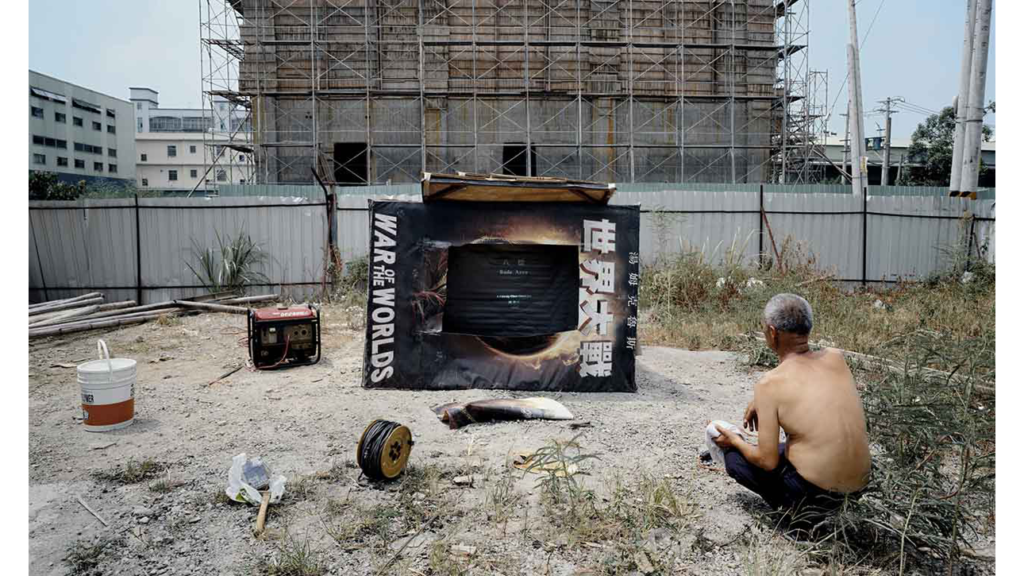
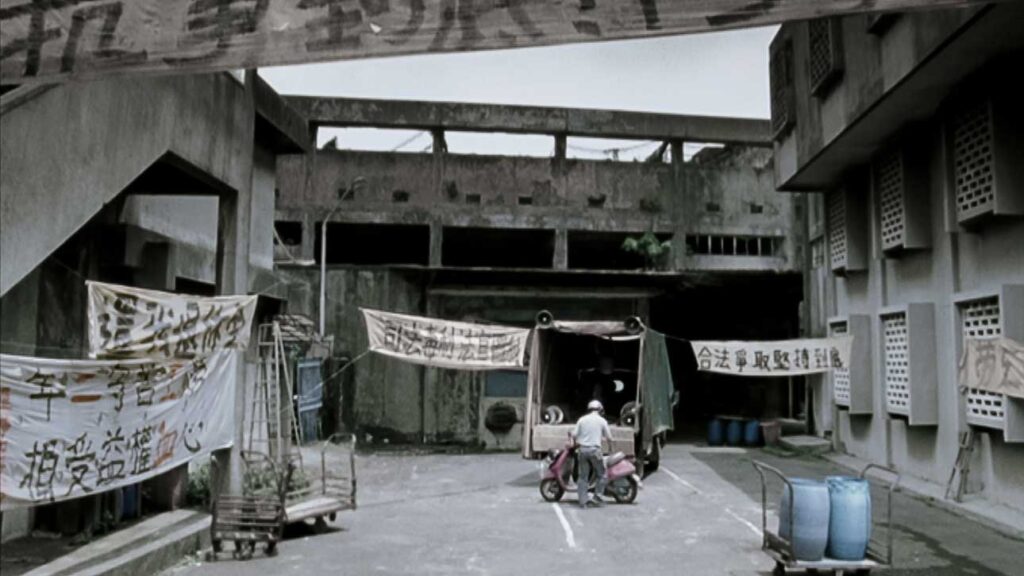
Bade area was once one of Taiwan’s thriving industrial areas. Starting from the late 1980s and through the 90s, however, many factories in search of cheap labor moved offshore, resulting in widespread unemployment, or workers being forced into temporary jobs and unstable lives. Chen Chieh-jen became friends with some of these occasional laborers when filming in Bade in 2002, and with their help, entered factories that had been sealed by the courts after owners declared bankruptcy and fled the area. Awaiting auction, these factories were closed to unauthorized entry. Inspiration for Chen’s video Bade Area comes from his experience of wandering in these factories with unemployed or marginally employed locals.
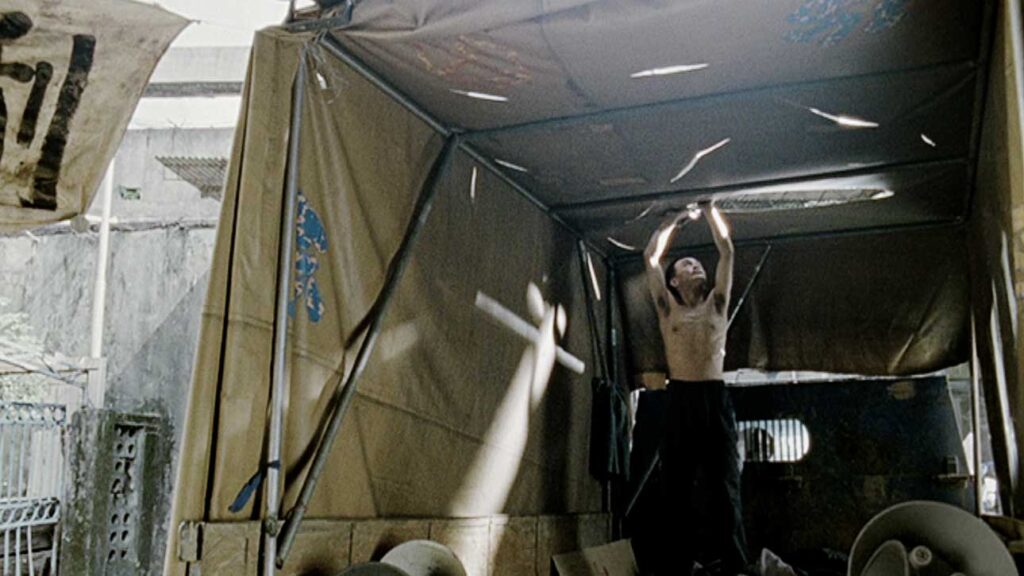
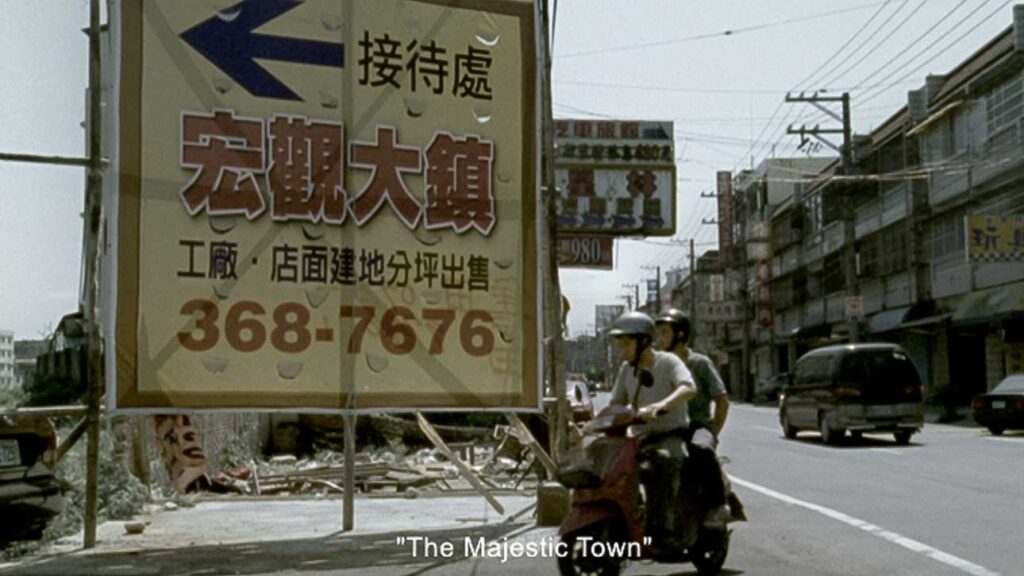
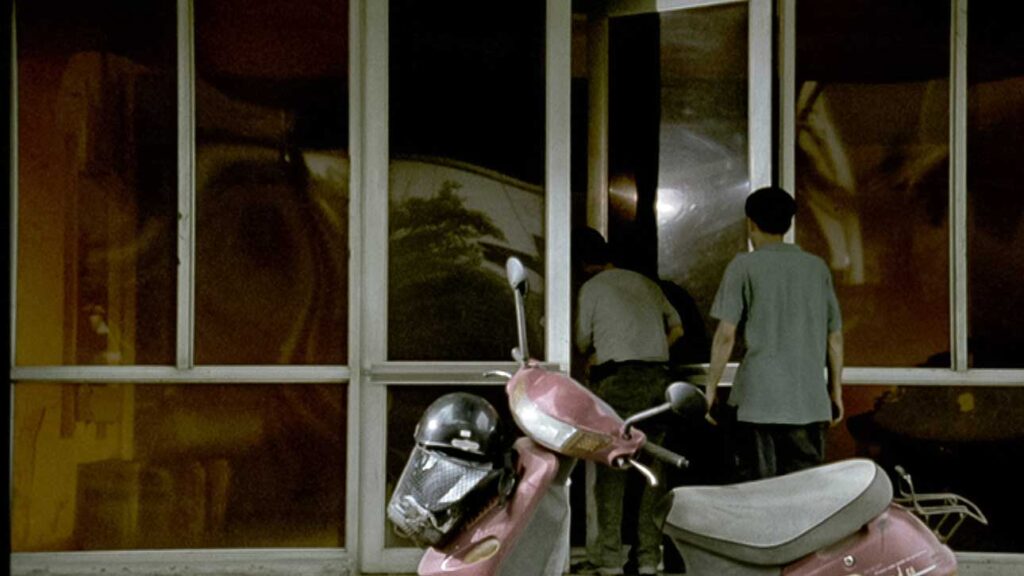
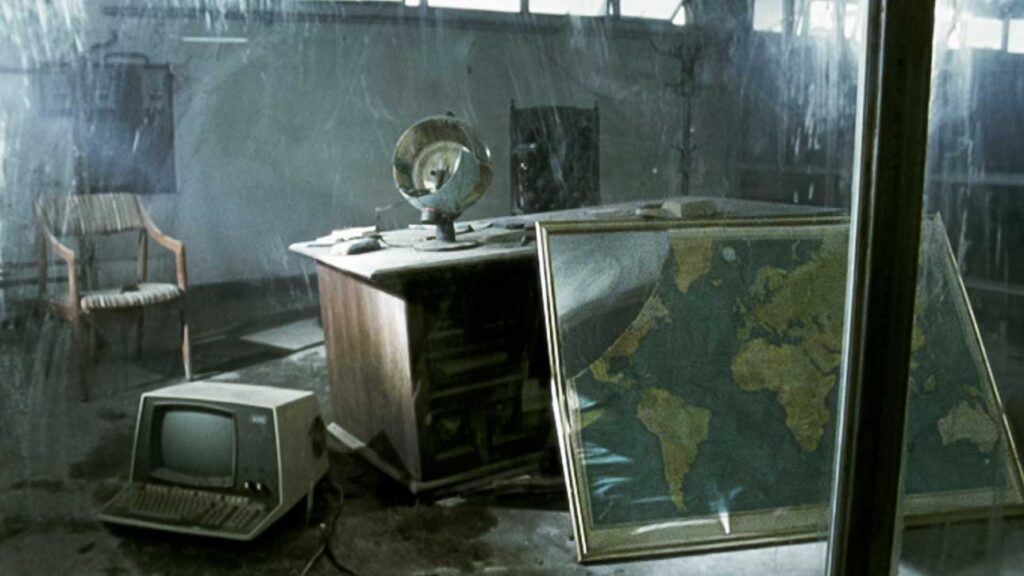
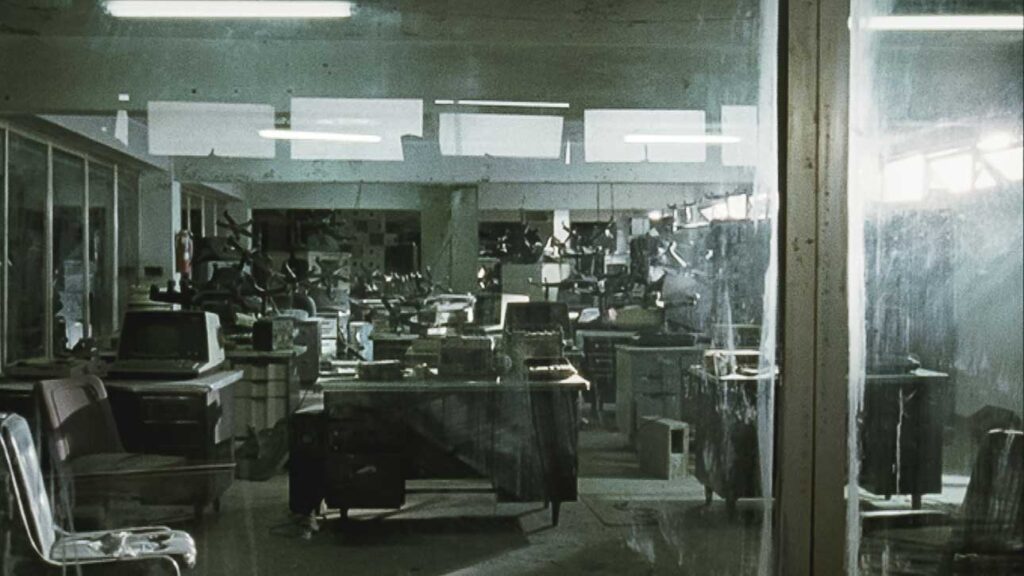
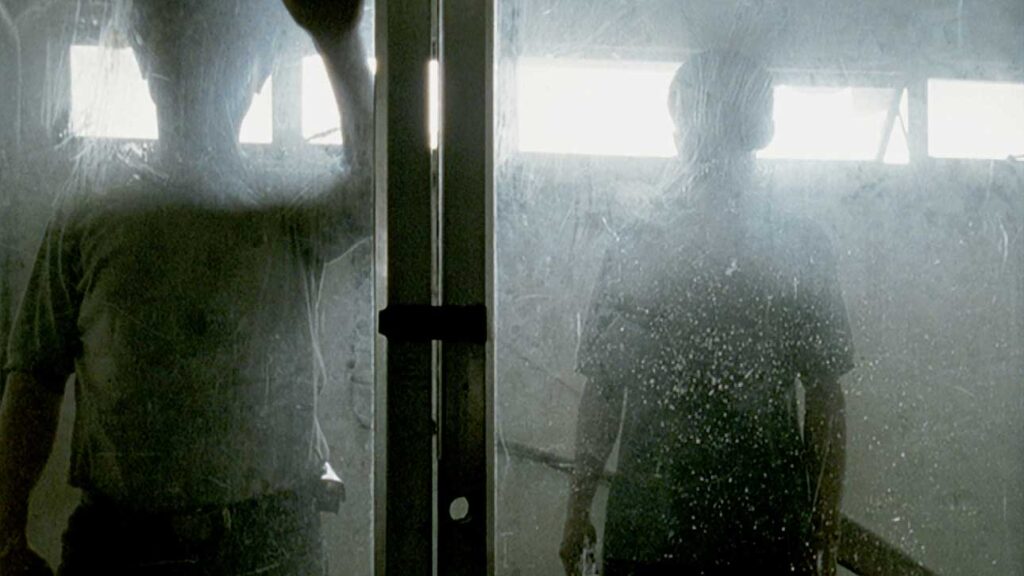
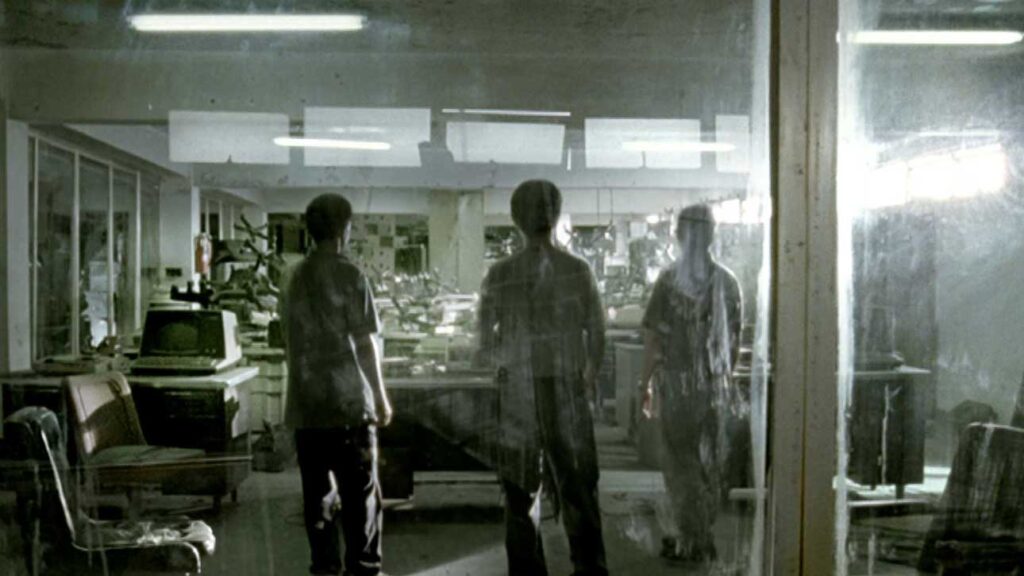
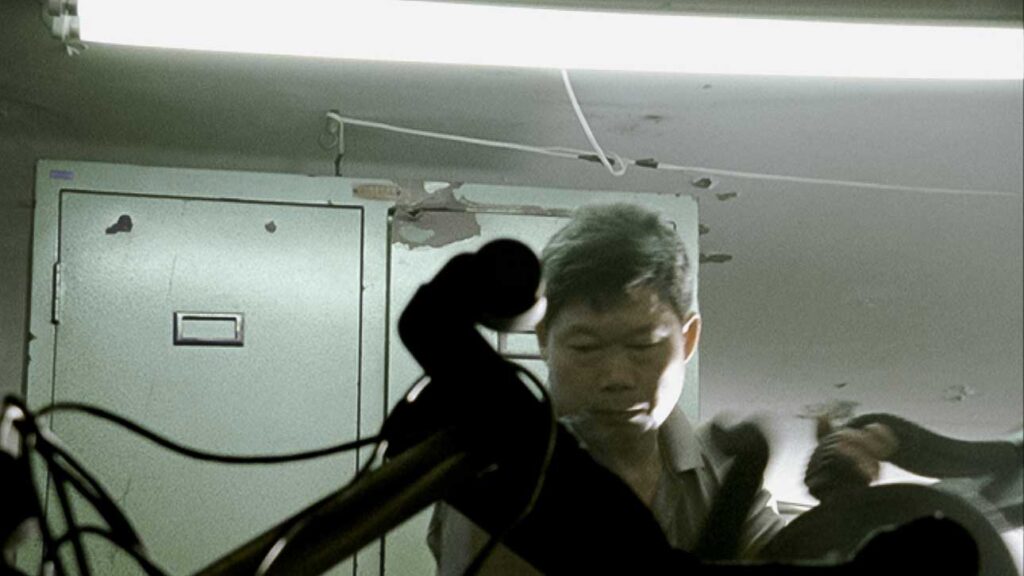
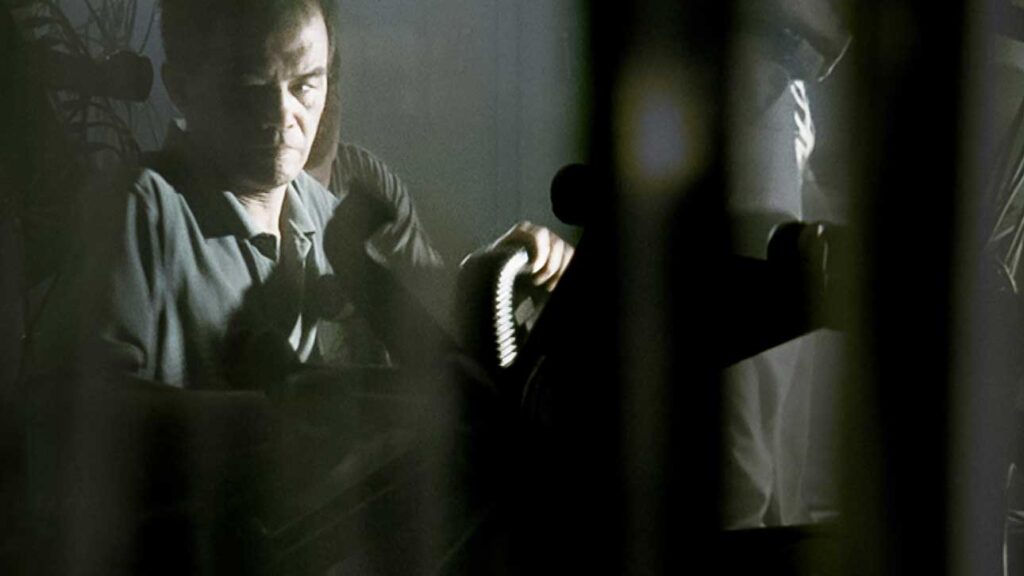
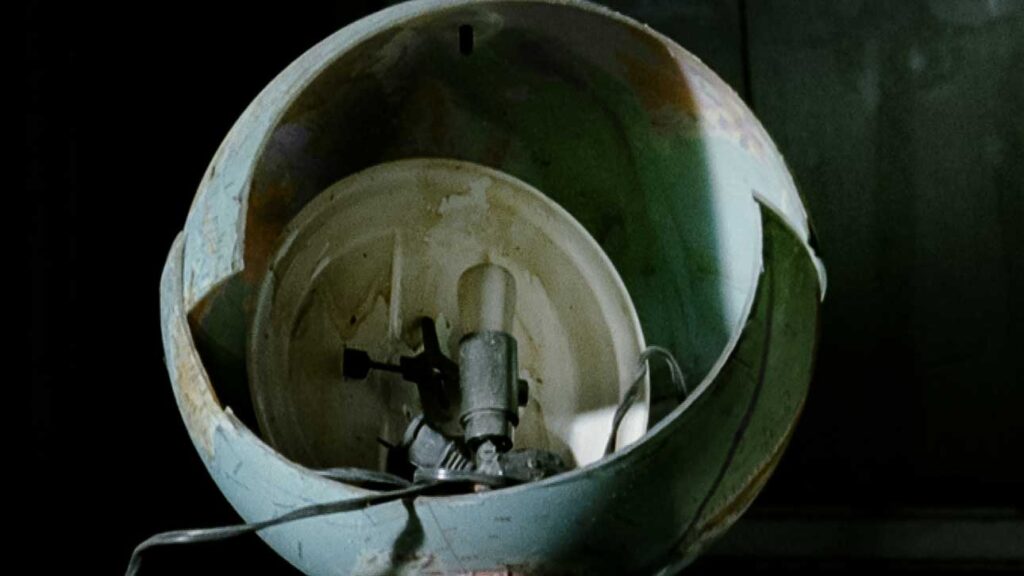
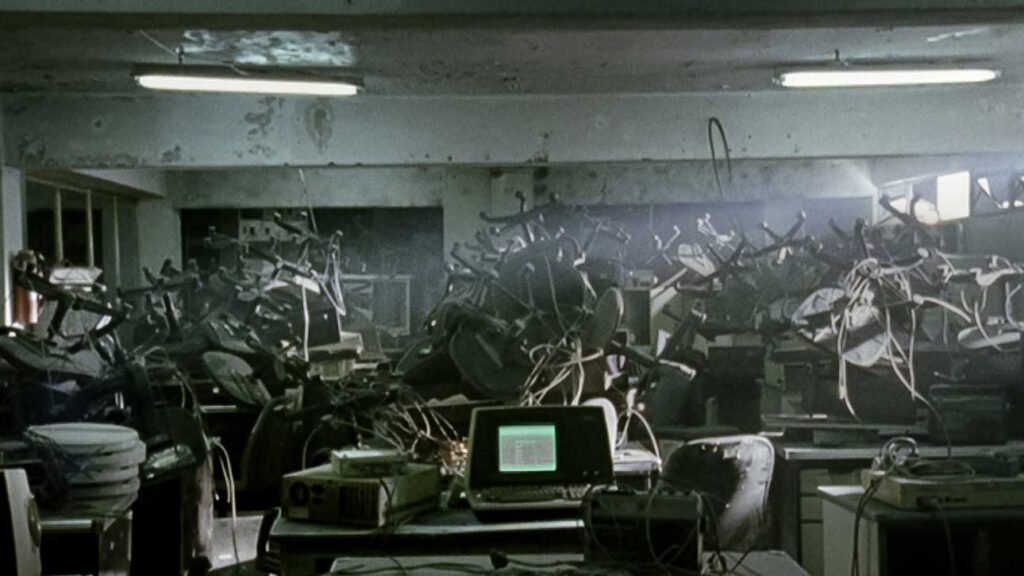
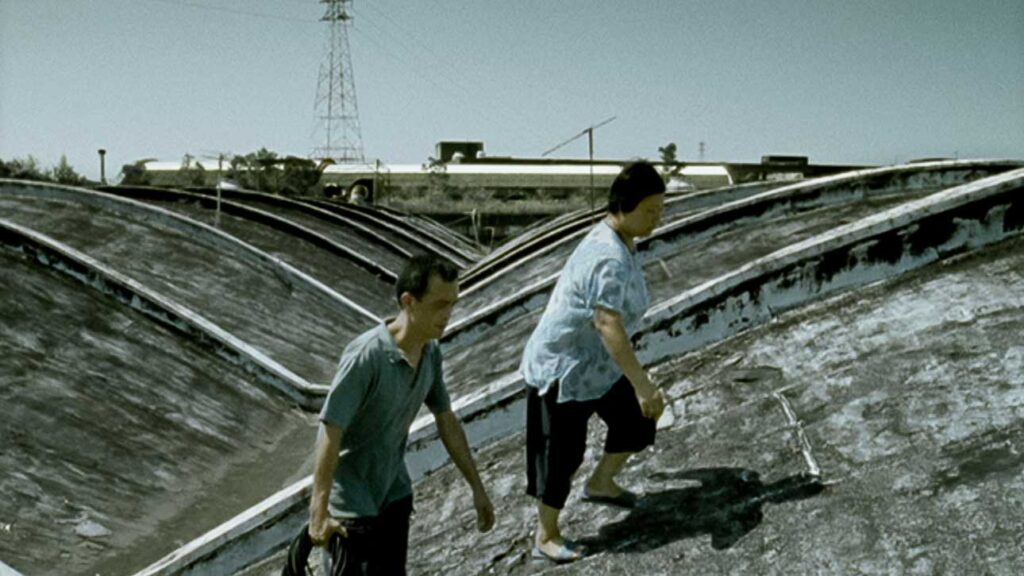
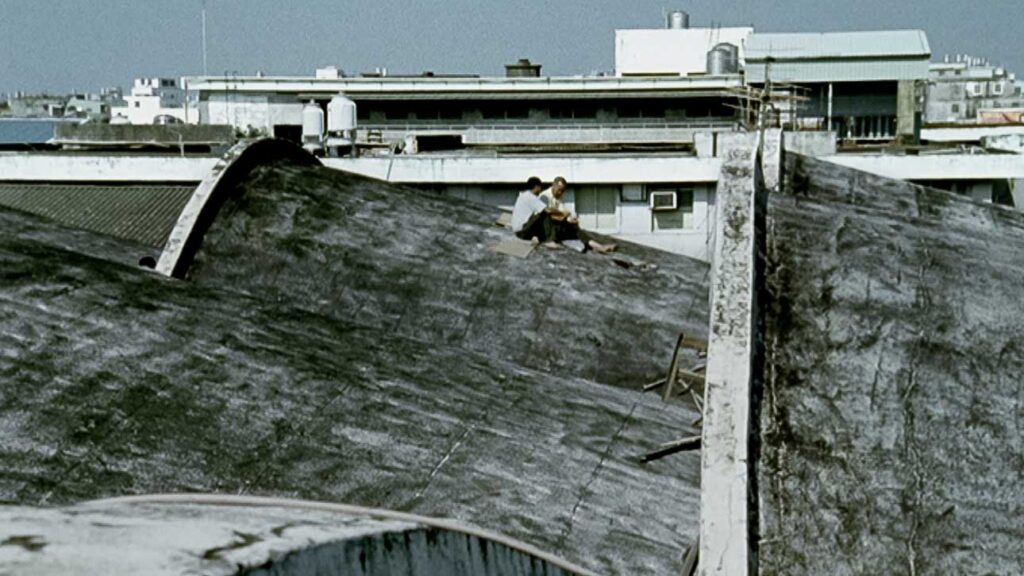
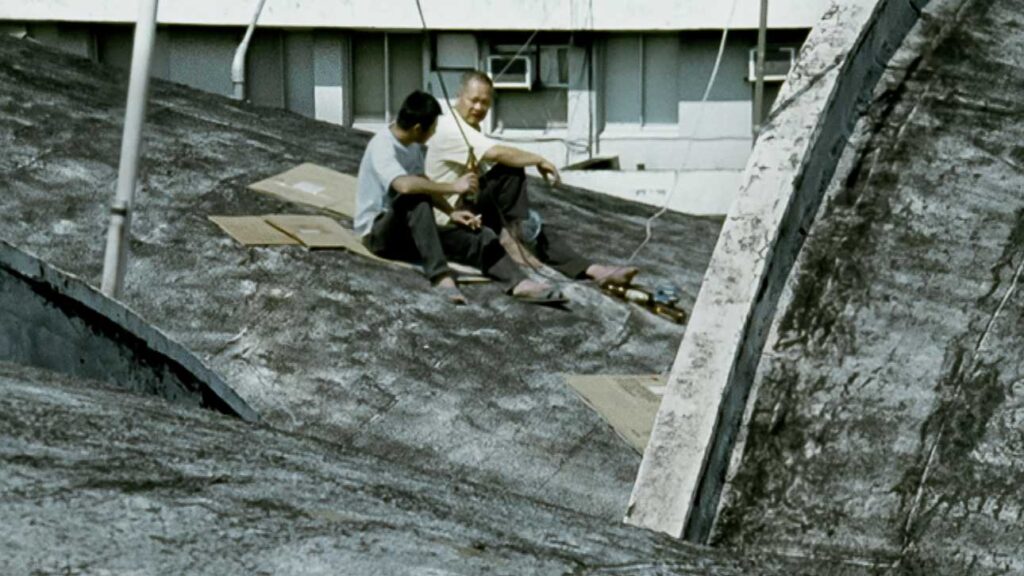
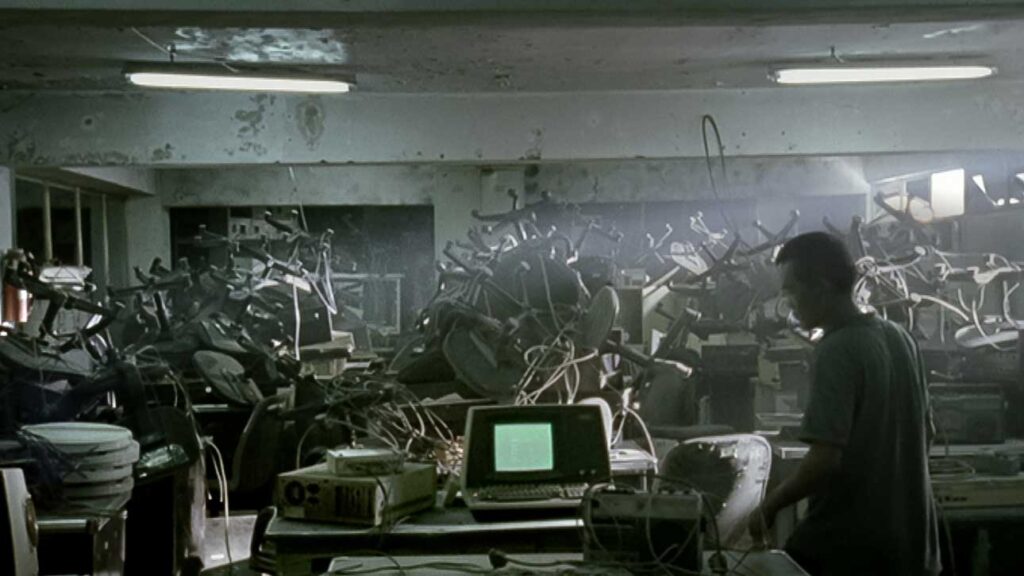
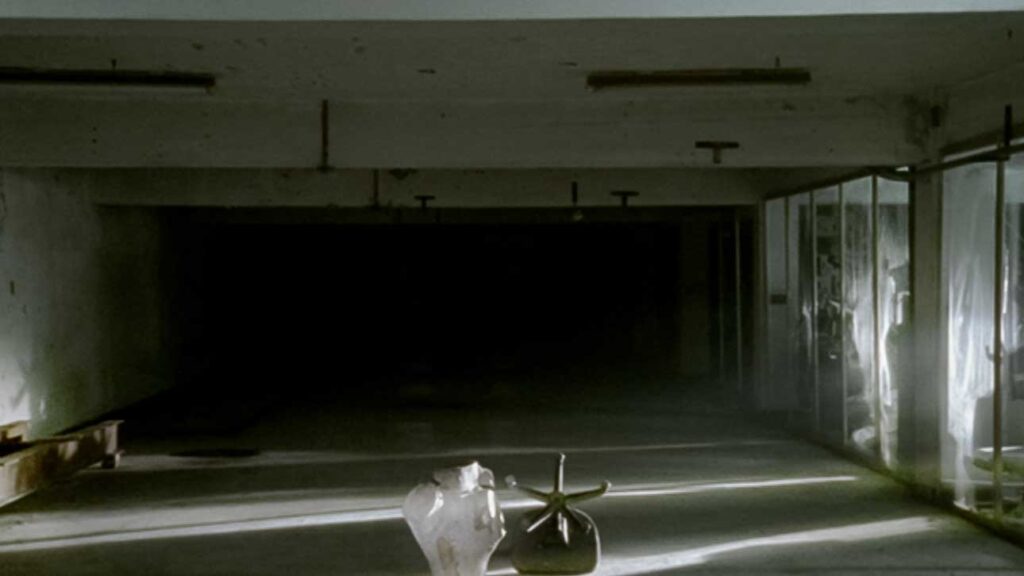
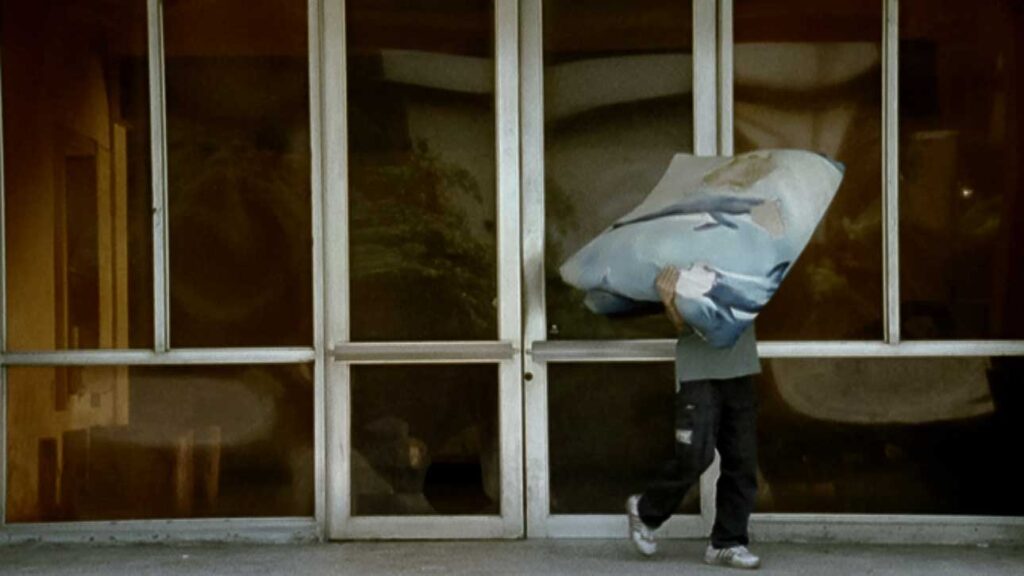
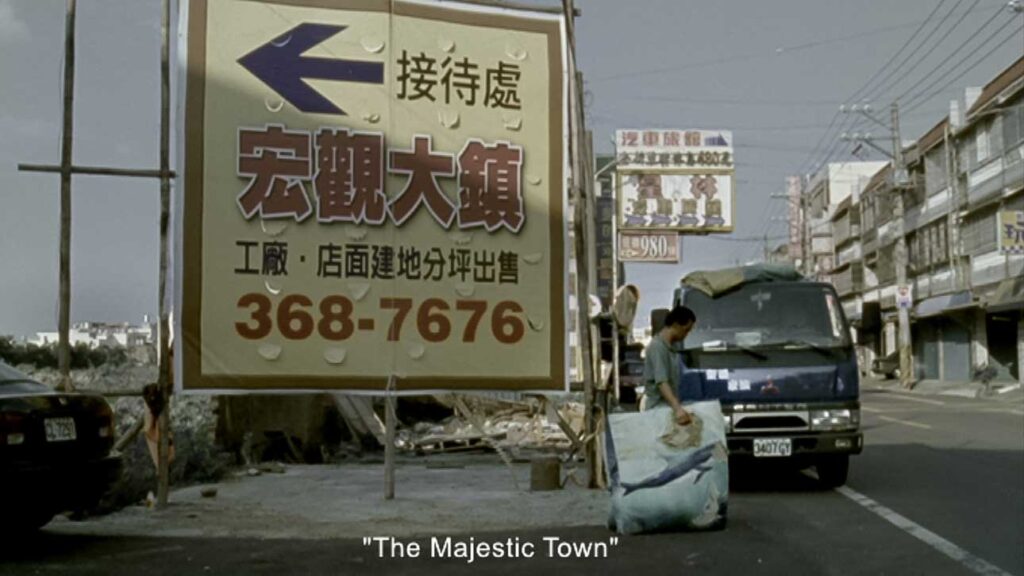
Relying on a narrative, silent film approach, Bade Area opens with a group of these former factory workers at a closed factory. For an unknown reason, they follow arrows on a road-side billboard advertising luxury housing and end up at another abandoned factory. They enter this soon-to-be-auctioned factory thus revealing to the camera a scene that seems as if it were frozen at the moment of bankruptcy. Next the group starts stacking old, dust-covered desks, chairs and computers into a large pile, completely filling the picture frame so that it resembles a graveyard of discarded office equipment. (1) When this protracted and seemingly pointless labor finally ends, the camera follows a member of the group to the roof of the factory, whose structure resembles a series of tombs, and records him wandering aimlessly as if in some mysterious wasteland.
After the courts sealed this factory and entry by anyone became illegal, it was ironically left unsupervised, thus rendering it a liminal zone between a forbidden world and the public domain. In the temporary heterotopia of this factory roof, locals, including participants in Chen’s video, have freely congregated to drink and sing karaoke.
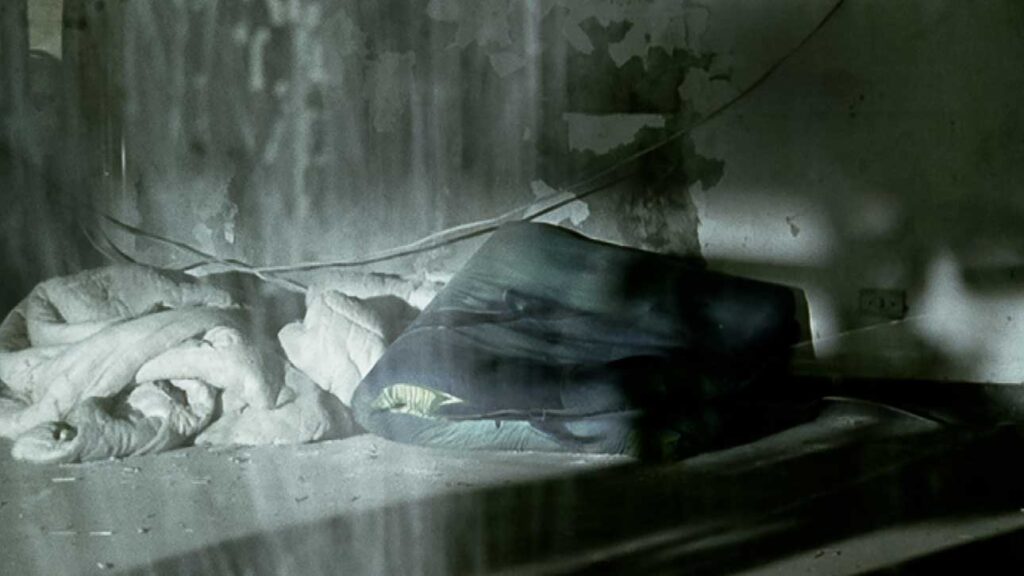
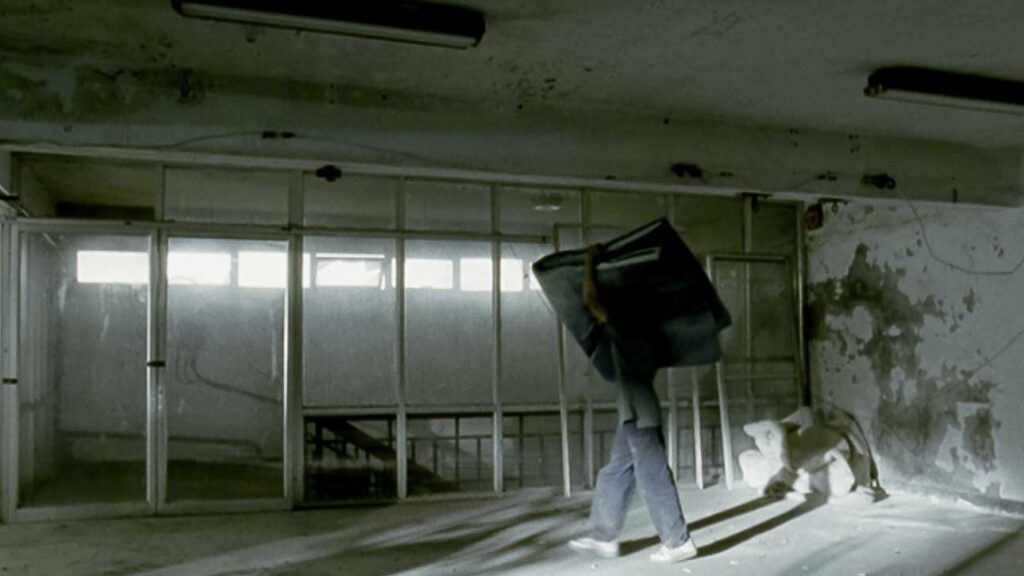
In the final sequence of the video, the participants go back into the factory and remove a mattress, which under the court’s ruling is illegal.
Notes
- The industrial computers abandoned along with the factory were made by Wang Laboratories, a company founded in 1951 and declared bankrupt in 1992. The company ran into difficulties in the late 1980s due to market pressure from personal computers. At the time of filming, the computers could be turned on, but without a password wouldn’t connect to any system or run any program, they just displayed “POWER-ON DIAGNOSTIC IS RUNNING.”
- The factory and office buildings appearing in the film were sold at auction shortly after filming was complete. The buyer then quickly demolished the buildings.
Related Works
FACTORY
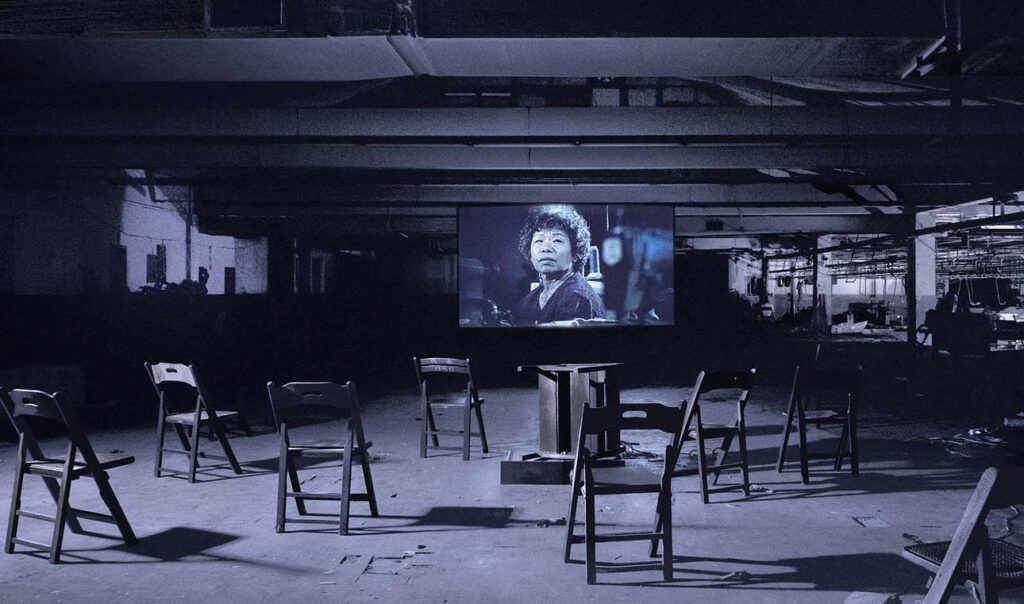
Factory 2003 super 16mm transferred to DVD.color.silent.31’ 09”.single-channel video + documentation Artwork Context and Introduction From the late 1980s when industries started moving abroad until 1996, Taiwanese labor protests directed at factories that closed to escape meeting financial obligations reached their peak. Yet in the ensuing years these protests seem to have receded into the ...
THE ROUTE
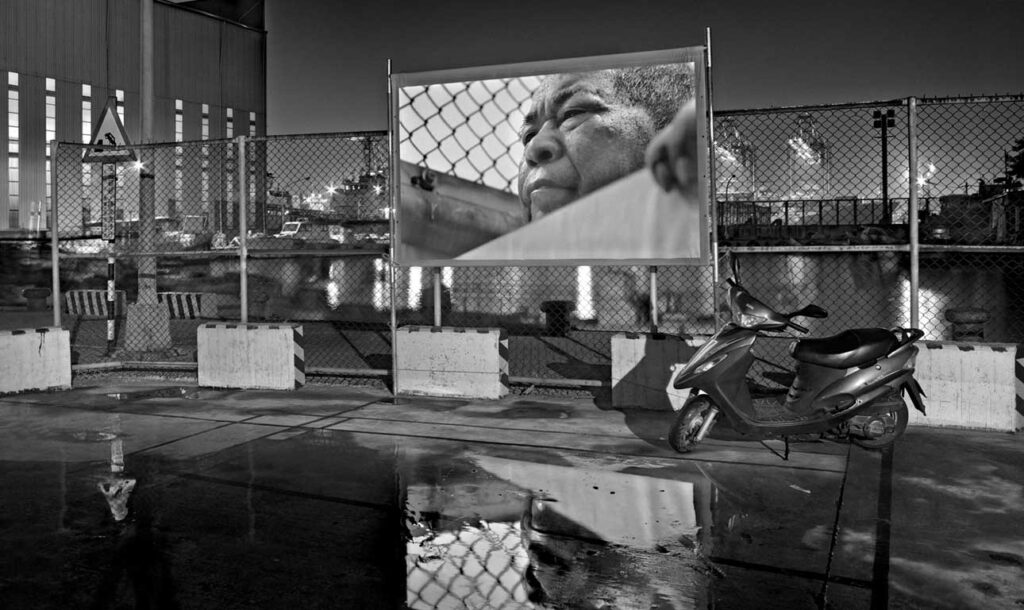
The Route 2006 35mm transferred to DVD.color & b/w. silent.16’ 45”.single-channel video + documentation Artwork Context and Introduction Made for the 2006 Liverpool Biennial, Chen Chieh-jen's video The Route is based on the historic Neptune Jade incident and the global worker's movement. For the video, Chen invited members of the Longshoremen's Union of the Port ...